blog1jpg

LED Light Source: The “Photon Engine” That Lights Up Life—How Much Do You Know?

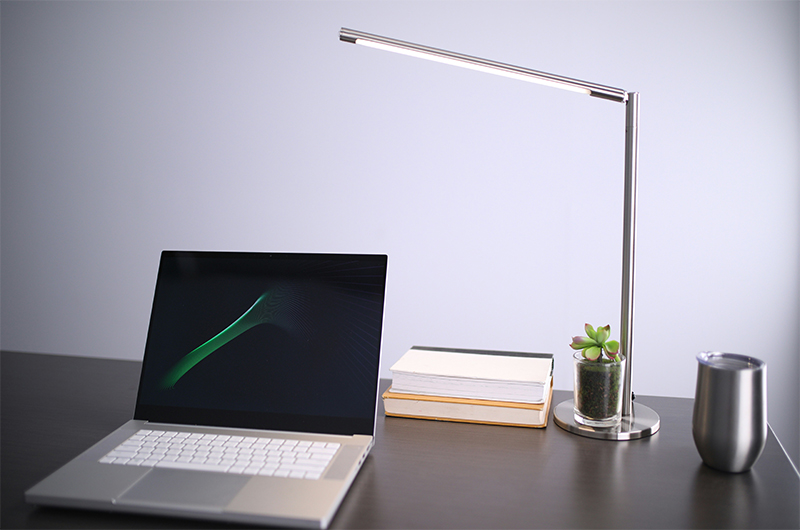
LED Light Source: The “Photon Engine” That Lights Up Life—How Much Do You Know?  LEDs, ubiquitous in lighting and display applications, are the “photon engines” that illuminate modern life, quietly reshaping the way we perceive light.In principle, they’re based on semiconductor light-emitting diodes. When electricity is injected, electrons and holes in the semiconductor material recombine, releasing energy that is converted into photons and emits light. Compared to traditional incandescent and fluorescent lamps, their advantages are truly remarkable:Ultra-energy-efficient: They consume only 1/10 of the power of incandescent lamps and 1/2 of that of fluorescent lamps. For example, a 10W LED bulb commonly used in households can rival the brightness of a 60W incandescent. Using it for 5 hours per day, the annual electricity bill is less than 2 yuan, a significant long-term savings.Extremely long-lasting: With a lifespan of 20,000 to 50,000 hours, they’re more than ten times longer than incandescent lamps. Installing an LED ceiling light in your home will likely last you until you move to a new apartment, eliminating the need for frequent repairs and replacements.Controllable light: You can precisely adjust the color temperature and brightness. To create a cozy atmosphere, adjust the light to a warm yellow 2700K. For work or study, switch to a cool white 5000K to restore a natural light experience, protect your eyes, and prevent fatigue.Application scenarios are permeating every corner of our lives:Home Lighting: The smart LED ceiling light in the living room can be adjusted for brightness and color temperature via a mobile app, adapting to various settings, such as watching movies, gatherings, and reading. The LED bedside light strip in the bedroom provides a soft, non-glare glow, ensuring you don’t need to wake up at night.Outdoor Lighting: LED streetlights in cities offer high brightness, low energy consumption, and intelligent dimming—automatically reducing power when traffic is low late at night, saving energy and minimizing glare. LED landscape lights in scenic areas beautifully outline ancient buildings and gardens, creating a vibrant atmosphere for nighttime outings. Display: Mobile phones and computer screens are essentially arrays of countless tiny LEDs. Precise control of the on/off and color of each individual LED produces clear, lifelike images. Large LED screens in shopping malls, displaying advertisements and event footage, are clearly visible even in bright daylight. However, LEDs are not perfect. Low-quality LEDs may pose a risk of “blue light spill,” which can damage the eyes if viewed directly over time. Instable power supplies can also cause flickering, which can unnoticeably cause eye fatigue. Therefore, when choosing LED products, look for reputable brands and check for blue light and flicker testing certifications. Don’t skimp on cheap products and end up with big losses. From lighting a single lamp to beautifying an entire city, the tiny LED is changing the world with its “magic of photons.” Next time you’re replacing your lights or choosing a display, pay close attention to its “figure.” The more you understand it, the better you’ll be able to choose the light that’s right for you! LED Displays: The “Pixel Universe” Behind the Visual Magic Stunning giant advertising screens in shopping malls, stage screens synced with live footage at concerts, surveillance screens spliced ​​into walls in monitoring rooms… What kind of “pixel universe” lies behind these eye-catching LED displays?

blog2

LED Displays: The “Pixel Universe” Behind Visual Magic

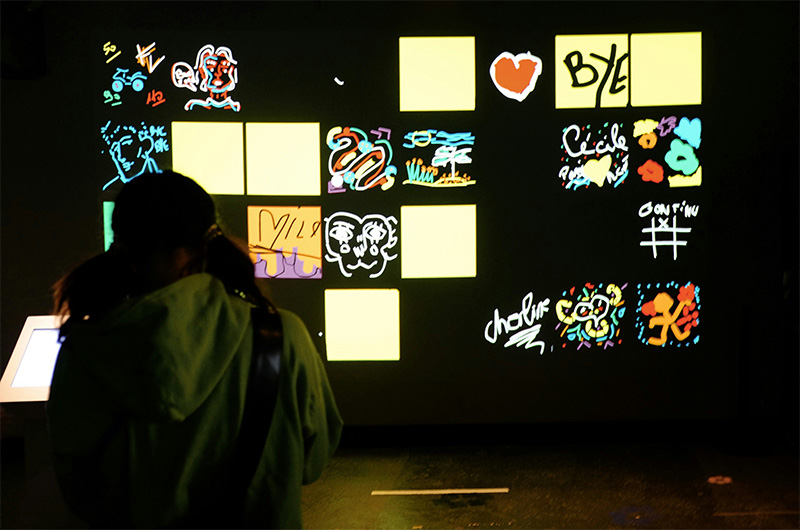
LED Displays: The “Pixel Universe” Behind Visual Magic The stunning giant advertising screens in shopping malls, the stage screens synced with live concert footage, the wall-mounted surveillance screens in monitoring rooms… What kind of “pixel universe”  lies behind these eye-catching LED displays? Basic Logic: Pixels are “cells” LED displays are composed of countless “pixels,” each of which is a combination of three red, green,  and blue (RGB) LEDs. By controlling the light intensity of these three LEDs, 16.7 million colors can be blended (on a conventional full-color screen), bringing everything from landscapes to people to life. Fine-pitch screens (such as 1.2mm pitch) have denser pixel arrangements, resulting in fine detail even up close, making them ideal for indoor close-up viewing. Large outdoor screens have larger pitches (like 10mm) for greater clarity from a distance and greater wind, water, and sun resistance.
blog3

Technological advancement: more than just “bright”

Technological advancement: more than just “bright” Grayscale control: Determines the depth of the image. A high grayscale screen preserves detail in dark areas and avoids overexposing bright areas. When watching movies or sports, the starry sky and highlights on the field are accurately rendered. Refresh rate: Affects image smoothness. A screen with a low refresh rate can cause artifacts in fast-moving images. For live sports broadcasts, a refresh rate of at least 3840Hz is required to ensure smooth, seamless playback of players and balls. Intelligent temperature control: Large screens consume high power and generate significant heat. A good display features built-in intelligent temperature control. If the temperature rises too high, it automatically adjusts the fan and even uses water circulation to maintain the lifespan of the LEDs and maintain image stability. Imagine a large outdoor screen blacked out in the summer due to heatstroke. The impact on viewing quality is immense!
blog4

Application scenarios: from business to people’s livelihood

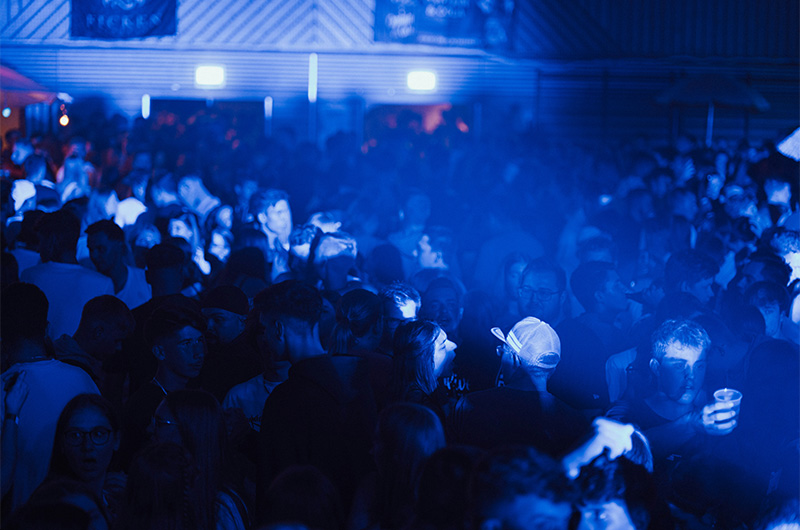
Application scenarios: from business to people’s livelihood Commercial Advertising: LED screens on shopping mall exteriors display brand ads during the day and transform into part of the city’s nightscape at night, creating two distinct “values” per screen. Indoor screens in chain stores uniformly display promotional information and can be updated remotely, making them a hundred times more flexible than traditional posters. Stage Performances: LED screens at concerts can switch special effects in sync with the music—a ballad performance is accompanied by a starry sky and ocean backdrop; rock performances transform into flames and explosive effects, creating an immersive performance. Smart Transportation: LED traffic guidance screens at highway intersections display real-time road conditions, speed limits, and diversion information. Intelligent algorithms can also adjust content based on traffic flow, making traffic management much more efficient than manual announcements. LED dynamic maps at subway stations are updated instantly with station openings and closings, eliminating the worry of passengers straying from the wrong station. Security Monitoring: The video wall in the monitoring room stitches together multiple camera feeds into a panoramic view, allowing security guards to gain a comprehensive overview of the entire building or campus at a glance and detect unusual events instantly.
Products
Contacts
WhatsApp
Email