 Michael
 Tools:Screwdriver (Phillips or flathead, depending on how the lampshade is secured), new LED ceiling light (measure the size and wattage of your old light in advance and choose one of the same or a compatible size. Recommended brands include reliable brands like OPPLE and NVC).
Before proceeding, be sure to turn off the main power switch in the room, or turn off the lights and flip the light switch to “off.” Important: Don’t just turn off the lights, turn off the power! Otherwise, the screwdriver could contact the wires and cause an electric shock. Safety first!
There are two common ways to secure a ceiling light shade:Snap-on: Several small clips on the edge of the lampshade snap onto the base. Get a flat-blade screwdriver and insert it into the gap between the lampshade and the base. Gently pry to release the clips. Pry around the edge of the lampshade to remove it.
Screwed: There are 2-4 small screws around the edge of the lampshade (possibly hidden in a decorative cover). Remove them with a screwdriver, and the lampshade will come right off.
The light-emitting part of your old lamp is either a “round/square light panel” (with integrated LEDs) or an “LED light strip” (attached to the base).
Light panel: The light panel is typically attached to the base with screws or magnets. If it’s screwed, remove the screws; if it’s magnetic, remove it directly. Then, unplug the light panel’s power cord (some use a plug, others use a direct cable connection. Remember the wire colors—usually red for live, blue/black for neutral).
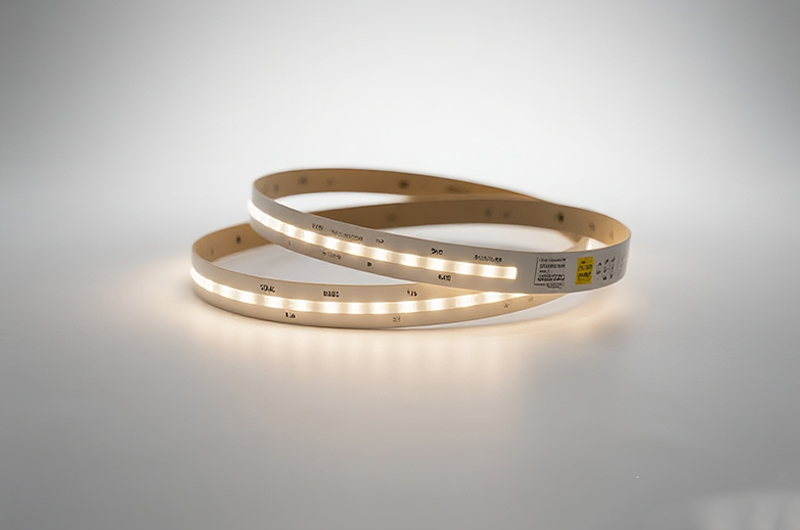
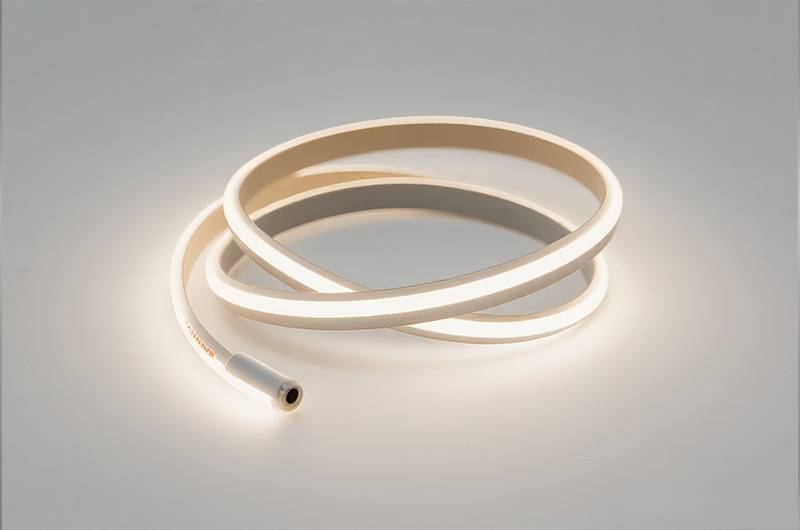
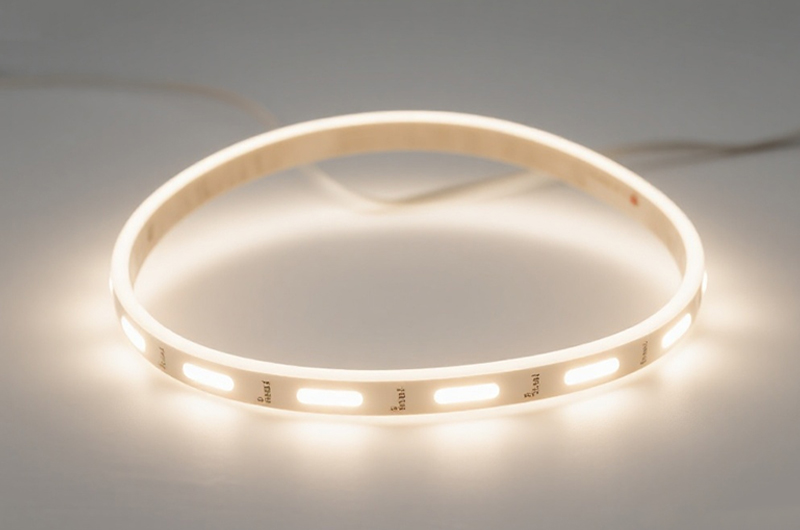
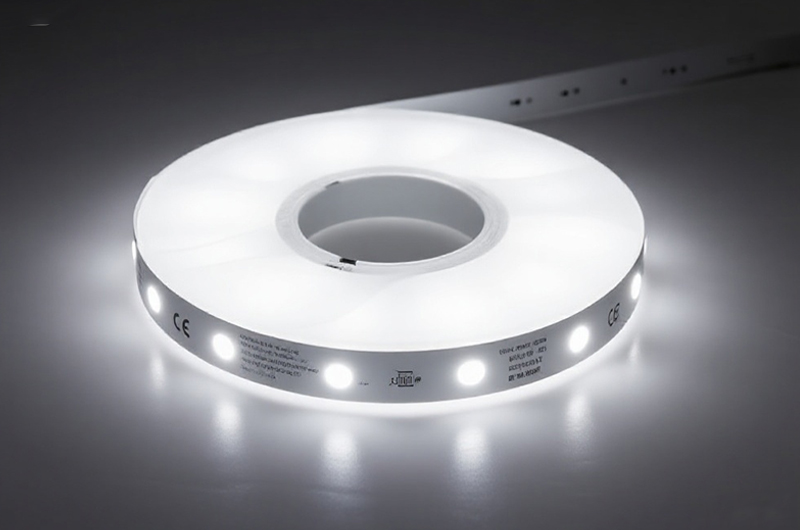
Light strip: The light strip is attached with double-sided tape or screws. Remove the tape or tighten the screws, then unplug the power cord.
For light panel models: Align the new light panel with the lamp holder. Magnetic models snap directly into place, and screw models tighten the screws. Then connect the power cord—the red wire connects to the existing live wire (usually red), and the blue/black wire connects to the neutral wire (usually blue/black). Cover the connector with electrical tape after connection (if it’s a plug-in model, directly plugging it in is easier).
For light panel models: Attach the new light strip to the original lamp holder (clean the holder beforehand to ensure better adhesion). Then connect the power cord, again ensuring the live and neutral wires are aligned.
Snap the new lampshade into the lamp holder (for snap-on models, press firmly until you hear a click), or tighten the retaining screws. Then, flip the switch on or turn on the power cord to see if the light turns on. If it doesn’t, turn off the power and check for loose or reversed wires, or a problem with the light panel/light strip itself (contact the dealer for a replacement). Pitfall Avoidance Guide:
Don’t choose the wrong size: If your old lamp has a diameter of 30cm, buy a new one that’s 30cm or slightly larger to cover the mounting area. Don’t buy something too small, as the lamp base will be exposed and look unsightly.
Power Comparison: For a room around 10 square meters, an 18-24W LED light is bright enough; for a large living room (over 20 square meters), choose a 36-60W one. Too much power wastes energy, while too little is too dim.
Don’t overlook the power supply: Some new light panels don’t come with a power supply, so you’ll need to purchase one separately (the voltage and current must match the panel! For example, if the panel is 24V, 500mA, choose a 24V, 500mA power supply). When buying a light, make sure to check whether the “driver is included” option; don’t forget to buy one without one!
Safety Tips: When wiring, be sure to strip the wires (exposing the metal core) and securely connect them with tape to prevent short circuits and tripping. After installing the panel, avoid allowing the wires to touch the hot zone of the panel, as this will accelerate wire aging. Replacing an LED ceiling light yourself may seem like a lot of steps, but you’ll be able to do it in one go! By paying attention to safety and wiring details, you can easily save a few dozen dollars in labor costs and gain a great sense of accomplishment—next time, when your light breaks, just get started!